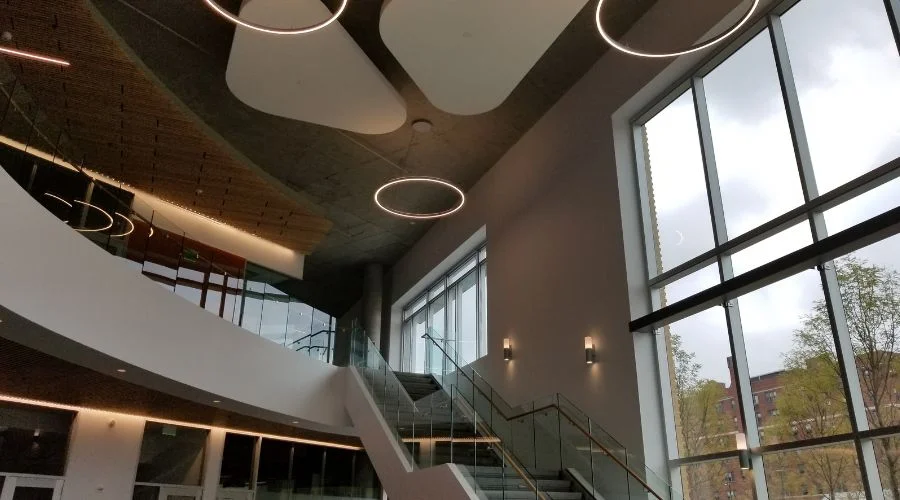
The commercial and enterprise architectural landscape is constantly evolving. Building designs have shifted from static forms to dynamic environments that adjust to technological innovations and the evolving needs of society. One area that has seen a remarkable transformation is ceiling structures. What was once simply a functional element of a building, primarily concerned with concealing utilities and mounting necessary network and security equipment, is now a key part of the design, adding to the aesthetic and acoustic experience of a space. This shift is especially evident in both modern enterprise buildings and historic spaces, where the challenge lies in preserving the integrity of original architecture while seamlessly integrating cutting-edge technology.
The integration of modern technologies like wireless systems into these unique spaces is essential for providing suitable connectivity, greater efficiency, and improved user experiences—all while supporting the adaptability and sustainability of spaces in an increasingly digital world.
How do you balance the need for technological innovation with the desire to preserve the cultural and historical value of a space? Let’s explore the key considerations and approaches in this delicate balance between preservation and technological progress.
Modern Architecturally Designed Ceilings: The Intersection of Form and Function
Architectural trends have redefined ceilings as an artistic element in many modern enterprise spaces. Rather than serving as a basic overhead surface, today’s ceilings often feature complex geometries, unique materials, and functional elements designed to improve acoustics, lighting, and overall ambiance. In an enterprise building, this could mean floating ceilings, curved ceilings, custom-designed panels, or integrated lighting systems that contribute to the building's identity.
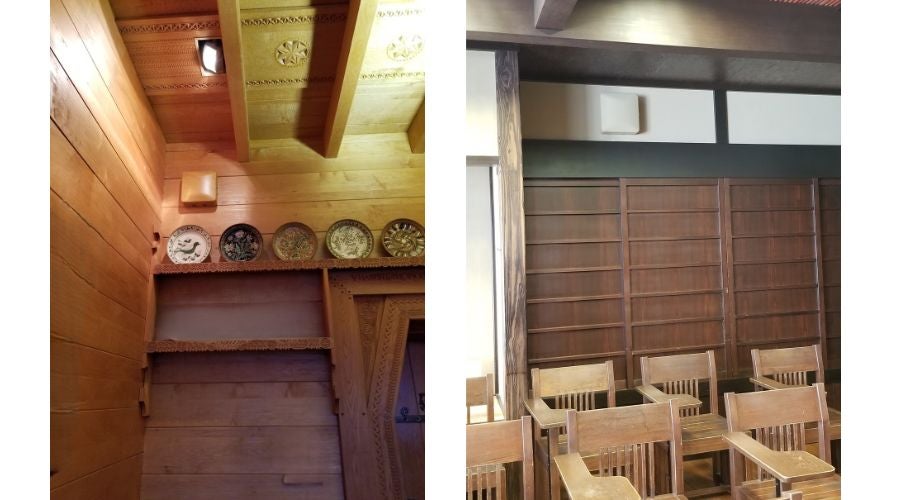
However, these ceilings are also much more than just design features. They are functional spaces that can house the backbone of modern building systems, including wireless infrastructure, lighting, security cameras, and more. In commercial spaces, ceilings have long served as the perfect platform for installing equipment. However, today, integrating wireless technology and IoT smart ecosystems into architecturally innovative ceilings and other spaces presents unique challenges. In these spaces, preserving the integrity of architectural elements - such as intricate moldings, frescoes, or woodwork - while incorporating modern technology can be difficult and requires careful planning and creative mounting options to ensure they do not disrupt or hinder these modern features.
Integrating Wireless Technology into Historic Spaces: A Delicate Balance
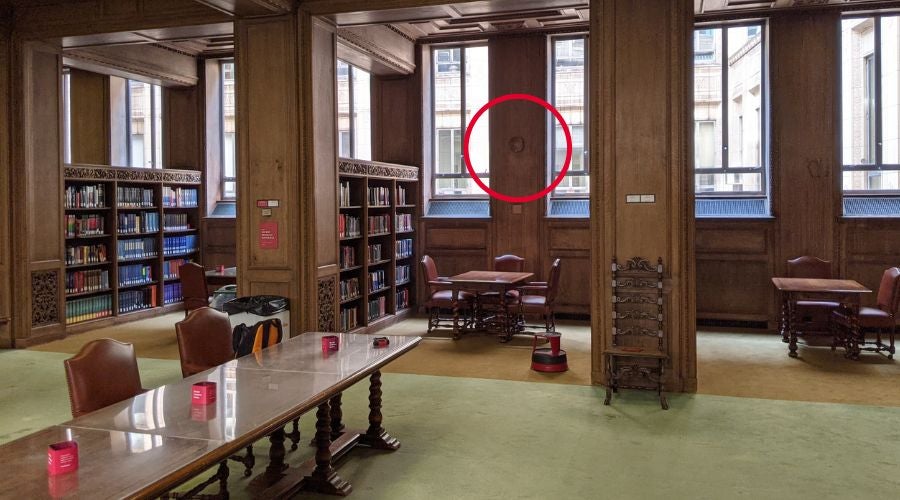
Achieving this balance demands a delicate blend of preservation, technology, and design expertise to ensure both functionality and historical integrity are maintained.
Integrating modern technology, particularly wireless systems, into historic spaces presents a unique challenge. Many heritage buildings, such as grand theaters, historic university campuses, museums, and government structures, boast intricate designs that are integral to their aesthetic and historical significance. From vaulted ceilings decorated with plasterwork to hand-painted murals, carved details, frescoes, and ornate wood paneling, these elements are not merely architectural features - they are artistic expressions that reflect a bygone era and culture. The challenge lies in discovering innovative and modern approaches to preserving these intricate details while accommodating the demands of contemporary technology.
Embracing the Future Without Sacrificing the Past
Integrating wireless technology into architecturally designed ceilings and spaces—whether in modern enterprise buildings or historic spaces - is about striking the right balance between preserving the essence of a space and embracing the advancements of the future. With thoughtful design and innovative technology solutions, it’s possible to create environments that honor the past or blending into modern environments while offering the convenience, flexibility, and efficiency of modern technologies.
The industry has turned to Oberon, a division of Chatsworth Products, the original pioneer of innovative modern wireless mounting solutions.
Our solutions are transforming wireless deployments by achieving the perfect balance of performance, aesthetic appeal, and physical security—an endeavor that demands innovation and expert design. Oberon provides innovative wireless mounting solutions that deliver the perfect balance of performance, aesthetics, and security.
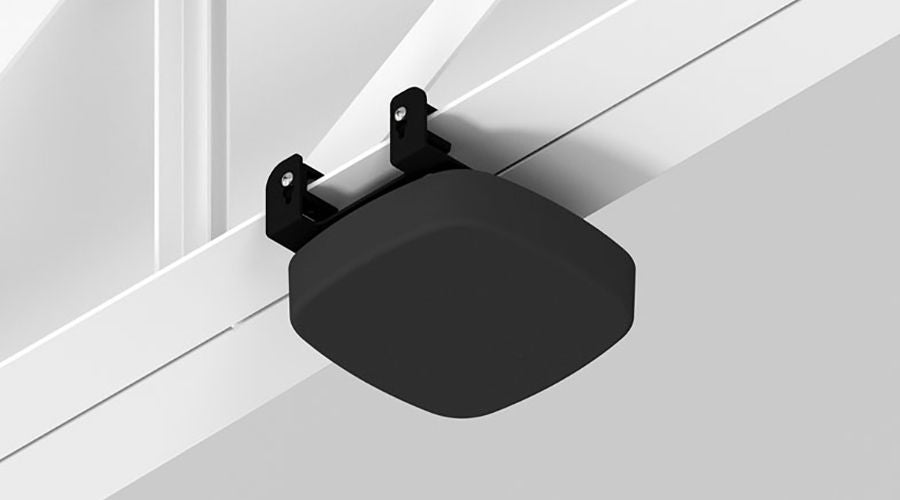
Oberon® Hi-Point™ Open Ceiling Mount Model 1008 is an L-shaped mounting bracket that attaches to overhead beams orienting the AP parallel to the floor. Ideal for lower open ceilings and architecturally sensitive environments. Available in black or white.
Key Features and Benefits:
- Conveniently install and conceal AP in open ceiling environment
- Enables APs to be mounted in preferred horizontal orientation
- T-bar bracket accommodates APs from most vendors
- Beam mount clamps allow it to be mounted directly to a beam or truss
- AP cover can help to conceal AP in dark open ceiling environments
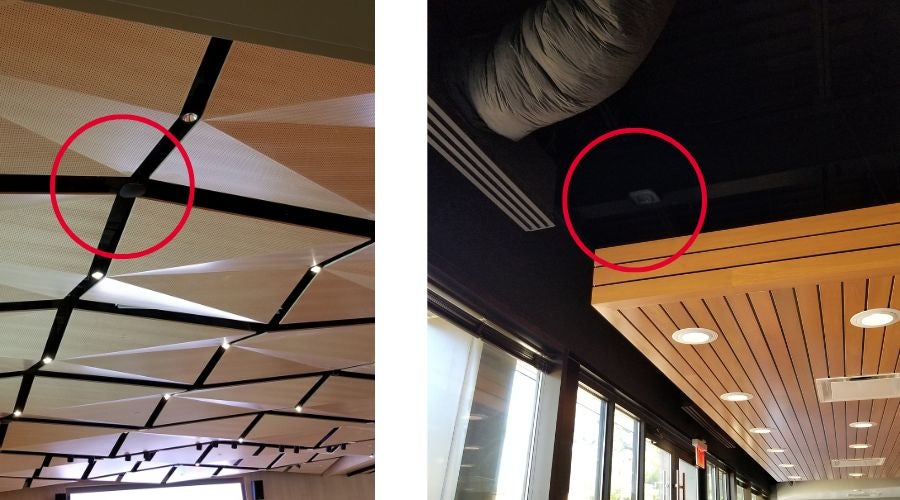
Model 1008-00-BK with Black Cover
Learn more about the , or browse our .
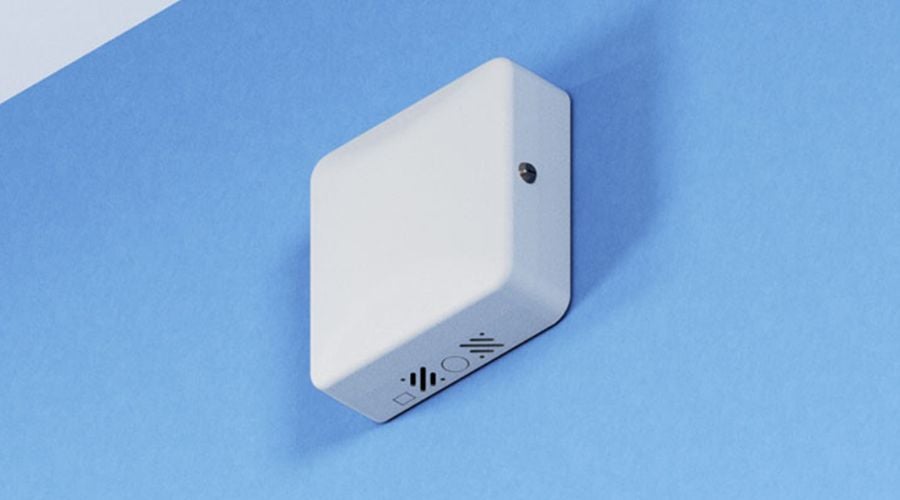
Oberon® Hi-Bar™ Surface-Mount Enclosures is ideal for concealing wireless devices and associated connectivity components in environments that require physical security and aesthetics.
Key Features and Benefits:
- Opening in the back conveniently installs over a telecom outlet
- Conceals AP and cabling components
- Paintable to match the environment
- Ventilated
- Impact resistant ABS plastic enclosure
- Virtually transparent to wireless signals
- Low profile sleek shape, textured powder coated for a professional look
- Locking fully hinged door
- Four models and two sizes are available
Learn more about the .
Learn More About Oberon’s Wireless Solutions
Discover a full range of enclosures and mounts designed to optimize and protect your wireless deployments. The can help you explore your options and find the perfect match.
